Diabetic Foot Care
Expert diagnosis and treatment for diabetic foot care at Suburban Foot & Ankle
Diabetic Foot Care at Elmhurst & Bloomingdale Foot & Ankle Centers
Healthy Feet, Healthy Life
Diabetes is a medical condition that can lead to several problems, especially when it comes to the feet. Diabetes, which is either because of a reduced circulation, nerve damage, or a weakened immune system, is a significant concern to foot health. At Elmhurst Foot & Ankle Center and Bloomingdale Foot & Ankle Center, we focus on diabetic foot care with our experienced podiatrists who diagnose and treat with top-notch quality and technologies designed specifically for our clients.
Our multifaceted medical professional team is dedicated to applying state-of-the-art technologies as well as procedures that don’t require invasive surgery so as to treat diabetic feet in a more effective way. Among different issues like diabetic foot ulcers, neuropathy, or Charcot foot disease, we provide comprehensive care, obtain optimal treatments, and help to maintain your feet in a healthy state, thus improving your quality of life.
Podiatric Expert Technologies for Treating Foot Conditions Concerns of Diabetes
The diabetic feet management is essential concerning the required care. Diabetes is a major cause of nerve damage, poor circulation, and infections, which may pose as life-threatening conditions. Elmhurst and Bloomingdale Foot & Ankle Centers, an avail of our skilled podiatrists, collect data and monitor your foot health to anticipate any further complications.
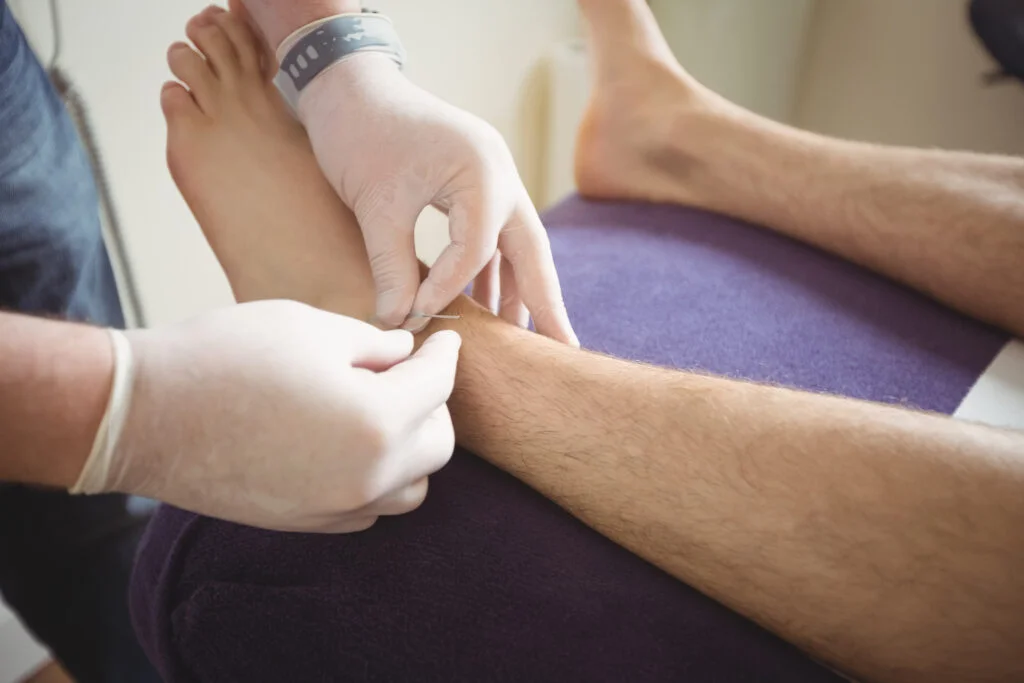
Diabetic foot conditions we treat comprise of:
- Neuropathy (Nerve Damage): Seasonly, fleeting electric jolts of numbness, and shooting “pins and needles” that can occur. We help with the management of the symptoms and also prevent the problem from recurring.
- Foot Ulcers: Non-healing wounds due to long-term lack of proper blood flow and nerve damage. We are proud to offer state-of-the-art wound care to heal ulcerations and to prevent infections.
- Charcot Foot Disease: A problem with bones in the foot, and ankle area, they break down and get deformed. He has special training in the early diagnosis and the most effective treatment.
- Poor Circulation (PAD): Congestion with the blood vessels impedes the flow of blood and consequently the transport of oxygen and nutrients to the lower limbs. We offer treatments specifically meant to enhance blood flow to the area and minimize the danger of complications.
Preventing Diabetic Foot Complications
One of the main points to prevent serious diabetic foot problems is adequate and proactive care. Our doctors at Elmhurst Foot & Ankle Center and Bloomingdale Foot & Ankle Center are the first to tell you how much regular foot exams and changes in your lifestyle help decrease the risk of foot complications.
Foot Inspection Points:
- Go through a Course of Inspections: Examine your feet every day for any scratches, blisters, or change in skin color. It is vital that you detect these problems in the early stages.
- Footwear of the Right Type: A shoe that not only provides stability but also comfort and does not bring pressure is what you should choose.
- Tight Blood Glucose: Keeping the sugar level under control is vital in the prevention of diabetic foot complications.
- The Best Footologist Advice: Visits annually or semi-annually to your diabetic foot care doctor in Elmhurst can help the professional find irregularly developed issues in the early stages so that they can be timely treated.
Our clinic is focusing on developing a written program that will include your personal problems and, thus, support you to maintain your foot health as part of diabetes treatment.
Treatment Options for Diabetic Foot Conditions
Elmhurst Foot & Ankle Center and Bloomingdale Foot & Ankle Center are both home to an array of remedies for diabetic foot conditions. Treatment possibilities are made up to a certain degree and might include:
- Wound Care for Diabetic Foot Ulcers: To treat the foot ulcers, our list of services includes being able to administer the advanced treatment using special dressings, debridement, and offloading techniques along with other conventional methods designed to accelerate healing and reduce infection.
- Custom Orthotics: If you have a foot deformity or walk in an abnormal way, custom orthotics may be recommended for you to ensure the best support and pressure release from certain parts of your feet.
- Medications for Pain and Infections: We often use nonsteroidal anti-inflammatory drugs, also called NSAIDs or other forms of pain relievers plus some courses of antibiotics for treating foot infections which might reach that stage.
- Physical Therapy: Sometimes, physical therapy is the only way to go if you want to make your feet stronger and get the blood pumping. That is how you get to know your feet better, which is also helpful for persons reporting painful symptoms of neuropathy or the risk of getting poor circulation.
- Surgical Intervention: As for more severe cases with unsatisfactory treatment, you may need surgery to change your feet’s structure or clear off flesh from the toes. For the others, they will take you through the advantages and disadvantages of each intervention and thus they will agree with this proposal the most.
Frequently Asked Questions
Diabetic Foot Care
What are the most common diabetic foot conditions?
Diabetic foot ulcers are among the most common diabetic foot diseases with neuropathy (nerve damage), Charcot foot disease, and peripheral arterial disease (PAD) making up the remainder of the list. Apart from diagnosis, these circumstances can cause bend carriage and infections if not correctly cared for.
How can I prevent diabetic foot complications?
Preventing diabetic foot complications involves daily foot inspections, wearing proper footwear, maintaining good blood sugar control, and seeing your podiatrist regularly for checkups. Early detection and proactive care are key.
What treatments are available for diabetic foot conditions?
Treatments may include wound care, custom orthotics, medications for pain and infection, physical therapy, and surgical intervention for severe cases. Your podiatrist will recommend a personalized plan based on your needs.
How often should I see a diabetic foot care specialist?
You should see a diabetic foot care specialist at least once a year, or more frequently if you have a history of foot problems, ulcers, or neuropathy.
Can diabetic foot ulcers be treated?
Yes, diabetic foot ulcers can be treated with advanced wound care, offloading, infection control, and sometimes surgery. Early intervention improves outcomes and reduces complications.
Do you accept insurance for diabetic foot care?
Yes, we accept most major insurance plans for diabetic foot care. Please contact our office to confirm your coverage.
Schedule an Appointment
Get expert care for diabetic foot care at one of our convenient locations.
Why Choose Us?
- Board-certified specialists
- Advanced diagnostic technology
- Comprehensive treatment options
- Same-day appointments available
- Two convenient locations

Ready to Take the First Step
Toward Healthier Feet?
Book your appointment today or call either of our offices. Same-day appointments available at our Elmhurst and Bloomingdale locations.