Heel Pain
Expert diagnosis and treatment for heel pain at Suburban Foot & Ankle
Heel Pain Treatment in Suburban Foot & Ankle Center
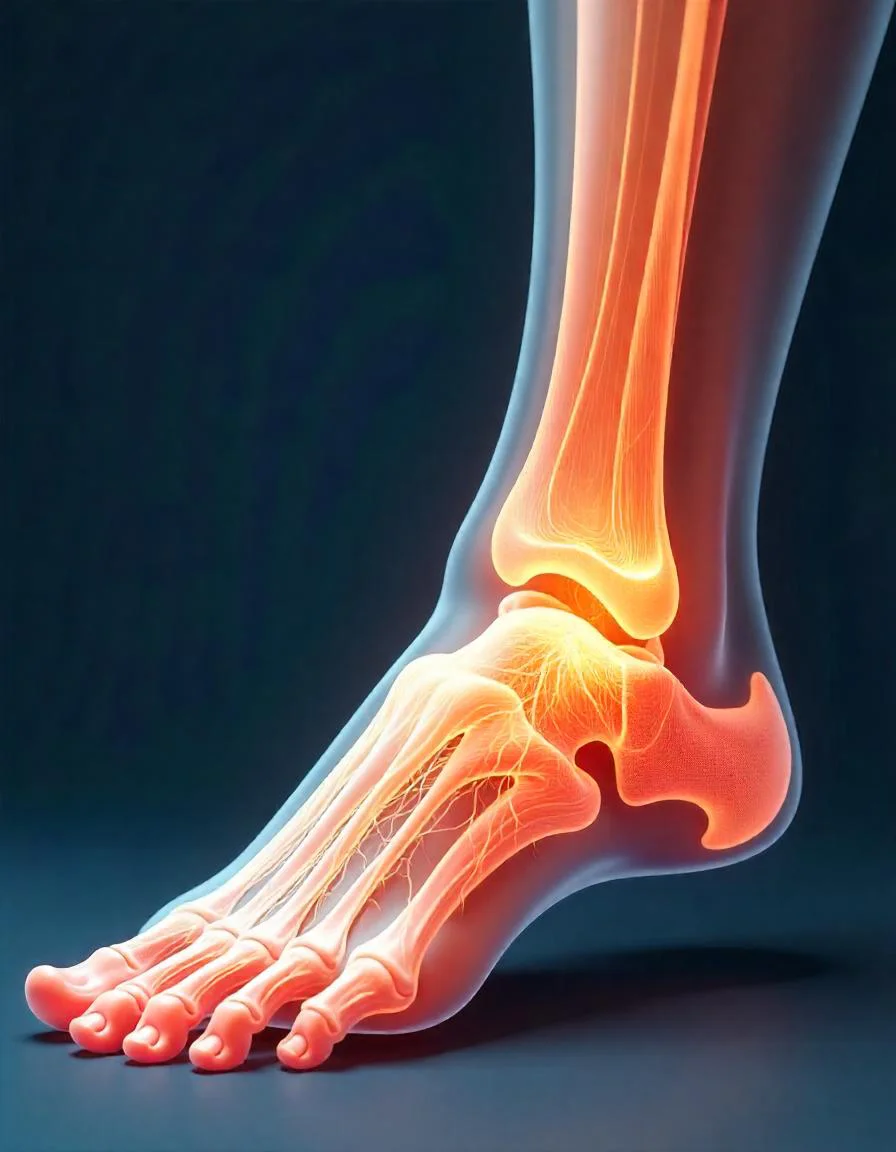
Understanding the Causes of Heel Pain
- Plantar Fasciitis: The most frequent cause, due to inflammation of the thick band (plantar fascia) on the bottom of the foot. Pain is often sharpest with the first steps in the morning.
- Achilles Tendinitis: Inflammation of the Achilles tendon from overuse, causing pain and stiffness at the back of the heel.
- Heel Spurs: Bony outgrowths under the heel bone, often with plantar fasciitis. May cause pain after sitting or standing for long periods.
- Haglund’s Deformity: "Pump bump"—a bony buildup behind the heel from shoe friction, leading to swelling and pain.
- Sever’s Disease (in Children): Inflammation of the heel growth plate, common in active kids.
Proven Heel Pain Treatments That Work
Non-Surgical Treatments
- Custom Orthotics: Insoles to correct biomechanical imbalances and reduce heel pressure.
- Physical Therapy & Stretching: Targeted exercises to increase flexibility, strength, and relieve heel pressure.
- Shock Wave Therapy: Non-invasive sound wave treatment to stimulate healing and reduce pain.
- Corticosteroid Injections: For severe pain, injections reduce inflammation and provide short-term relief.
Surgical Treatments (If Needed)
Most heel pain is treated non-invasively, but minimally-invasive surgery may be needed for persistent cases of plantar fasciitis or Achilles tendonitis.
How to Prevent Heel Pain from Coming Back
- Choose Supportive Shoes: Wear cushioned shoes with good arch support.
- Avoid High Heels: High heels increase pressure on the heel.
- Regular Stretching: Maintain flexibility and avoid muscle stiffness.
- Maintain a Healthy Weight: Reduces load and risk of heel pain.
When to See a Podiatrist for Heel Pain
- Persistent foot pain that doesn’t improve after rest or OTC pain relievers
- Difficulty walking or doing daily activities due to heel pain
- Severe swelling, redness, or stiffness in the heel
- Sharp or stabbing heel pain, especially in the morning
Frequently Asked Questions
Heel Pain Treatment
How long does it take to recover from heel pain?
The recovery time depends on your situation. Some patients may notice improvement within a few weeks after starting treatment, while more complicated cases might take several months to heal.
Do you accept insurance for heel pain treatments?
Yes, we accept many insurance plans for heel pain treatments. Please contact our office to confirm your coverage.
Can I treat heel pain at home?
Some mild cases may improve with rest, ice, stretching, and supportive footwear. However, persistent or severe heel pain should be evaluated by a podiatrist for proper diagnosis and treatment.
How can I get started with the best foot surgeon near me?
Schedule an appointment with our experienced podiatrists at Suburban Foot & Ankle Center for a personalized evaluation and treatment plan.
Schedule an Appointment
Get expert care for heel pain at one of our convenient locations.
Why Choose Us?
- Board-certified specialists
- Advanced diagnostic technology
- Comprehensive treatment options
- Same-day appointments available
- Two convenient locations

Ready to Take the First Step
Toward Healthier Feet?
Book your appointment today or call either of our offices. Same-day appointments available at our Elmhurst and Bloomingdale locations.